The restored borgo: a short, opinionated history
What a borgo is, what it isn't, and why a properly restored one is among the rarer things you can rent in Tuscany.
From the founders1 min read
What a borgo is, what it isn't, and why a properly restored one is among the rarer things you can rent in Tuscany.
From the founders1 min read

The word borgo has, over twenty years, been stretched to cover almost any cluster of stone buildings with a swimming pool. It is worth being clearer.
A borgo, properly, is a small fortified or semi-fortified hamlet — typically agricultural, typically built between the eleventh and the sixteenth century, typically organised around a single courtyard or a short main street. It might have housed thirty or forty families: the steward, the farmhands, the blacksmith, the priest. By the second half of the twentieth century, almost all of them had emptied.
The good restorations of the last three decades — and there are not many — have done two things at once. They have kept the original plan: the proportions of the rooms, the relationship of the buildings to each other, the way the courtyard works as the social heart. And they have made the buildings quietly, deeply liveable: heated stone floors, plumbing that works in August, kitchens that a chef can actually cook in.
What you should look for, if you are renting one: a single architect or restorer's hand across the whole property. Bedrooms that feel like the rooms they were, not hotel rooms inserted into stone shells. A courtyard that is used. A pool that is sited where the original cisterns or threshing floors were, not bulldozed into the best view.
There are, by our count, perhaps fifteen restored borghi in Tuscany that meet this standard for a private rental of the whole property. We work with three.
From the collection
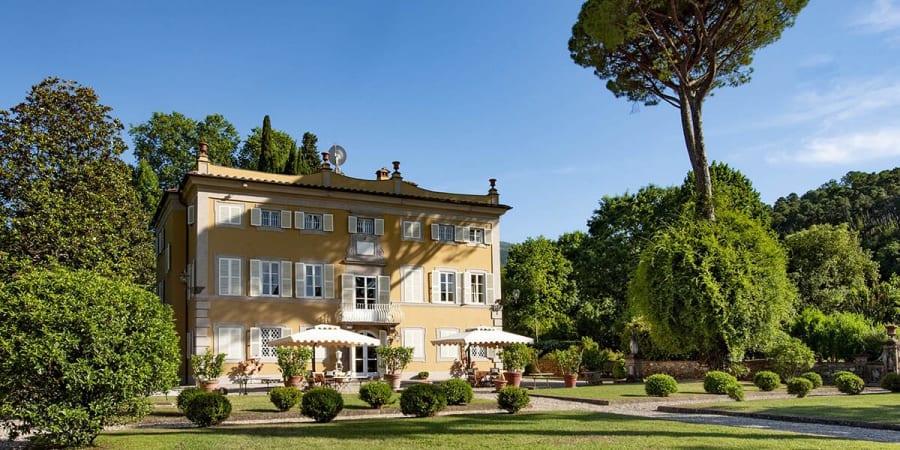
Sleeps 14 · 7 bedrooms
From €2,150 / night
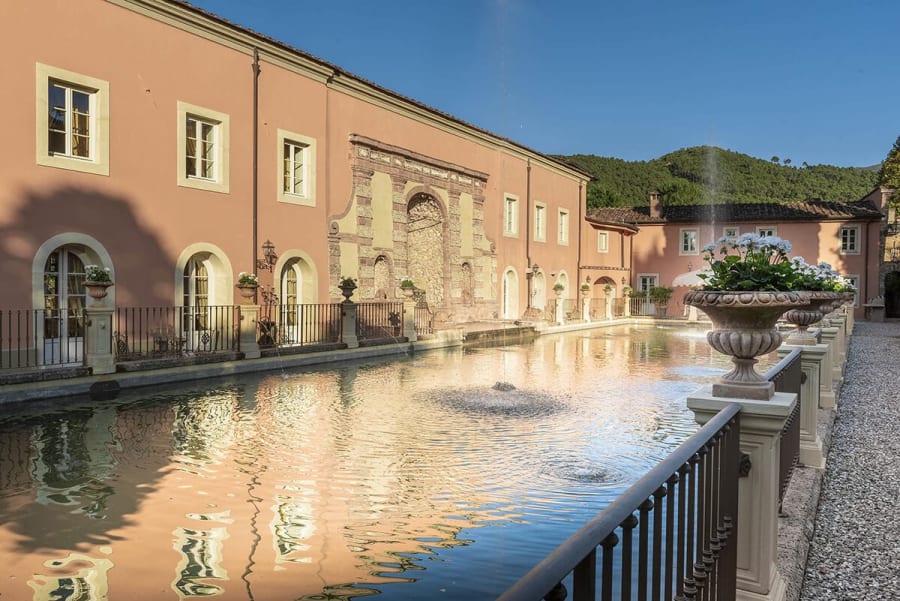
Sleeps 24 · 12 bedrooms
From €3,300 / night
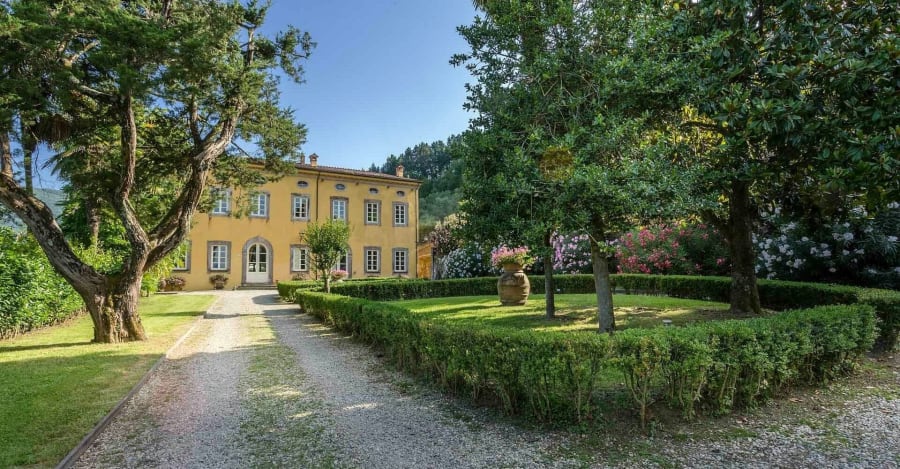
Sleeps 24 · 12 bedrooms
From €3,150 / night
The lookbook
The season lookbook, a note when a new house joins the collection, and nothing else. No sequences.
Written from the same desk that answers every enquiry. Unsubscribe in one click.
Continue reading
Lucca & Garfagnana
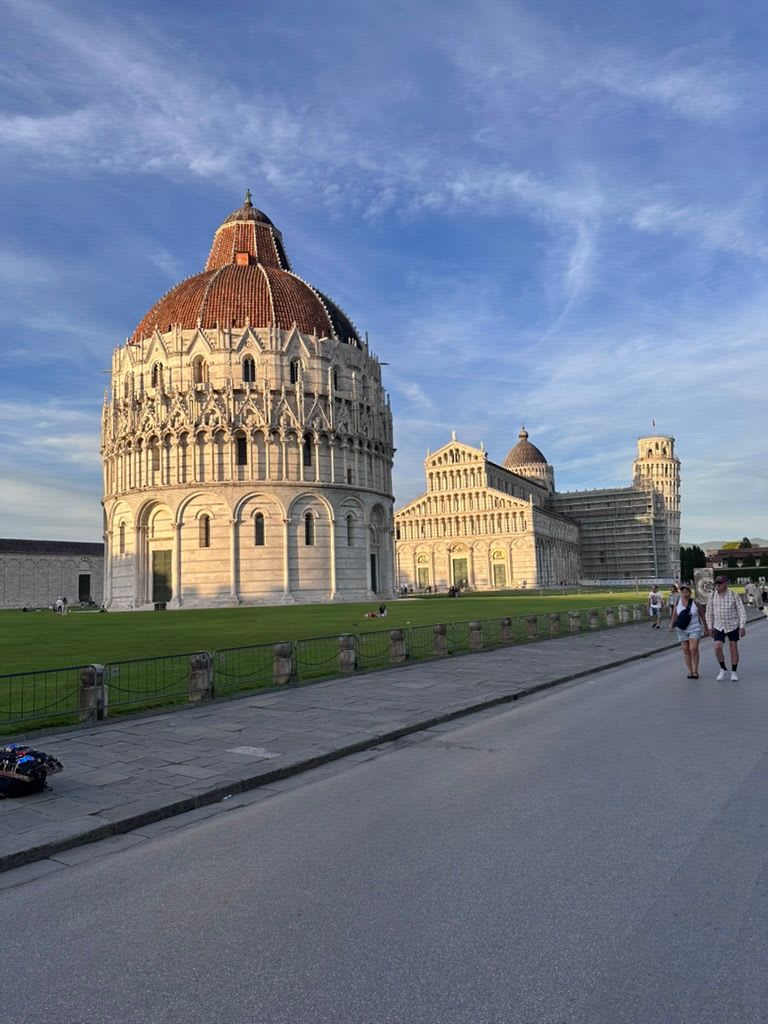
29 July 2026Pisa is most guests' first hour in Tuscany and almost nobody's destination. How to use the city properly: the Field of Miracles early, lunch by the river, and the villa by mid-afternoon.
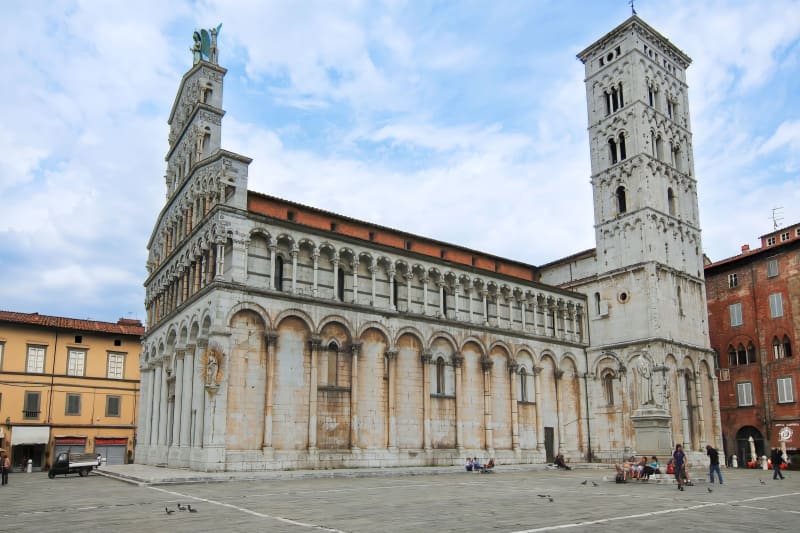
Lucca & Garfagnana
20 July 2026Lucca, the only Italian Renaissance city you can walk around on its own walls. The Puccini birthplace, the rooftop terraces, the *vie* on a Saturday morning, and how to use the city as part of a Tuscan week.