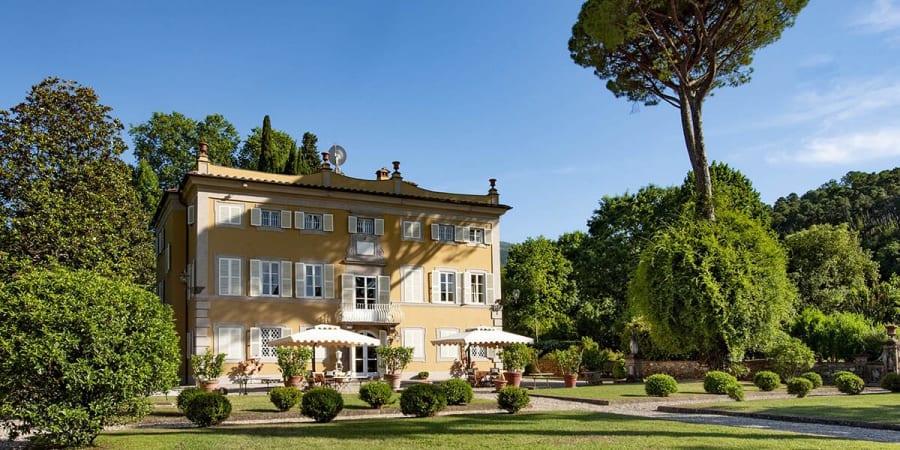
Historic Estate01
Villa Lenka
Lucca & Garfagnana · Sleeps 14 · 7 bedrooms
From €2,150 / night
TuscanySub-region
Northwest Tuscany — the walled city of Lucca and the mountain villages above it. Cooler summers, deep forest, working chestnut farms.
7 villas in the collection3 pieces in the journal
Lucca & Garfagnana · Sleeps 14 · 7 bedrooms
From €2,150 / night
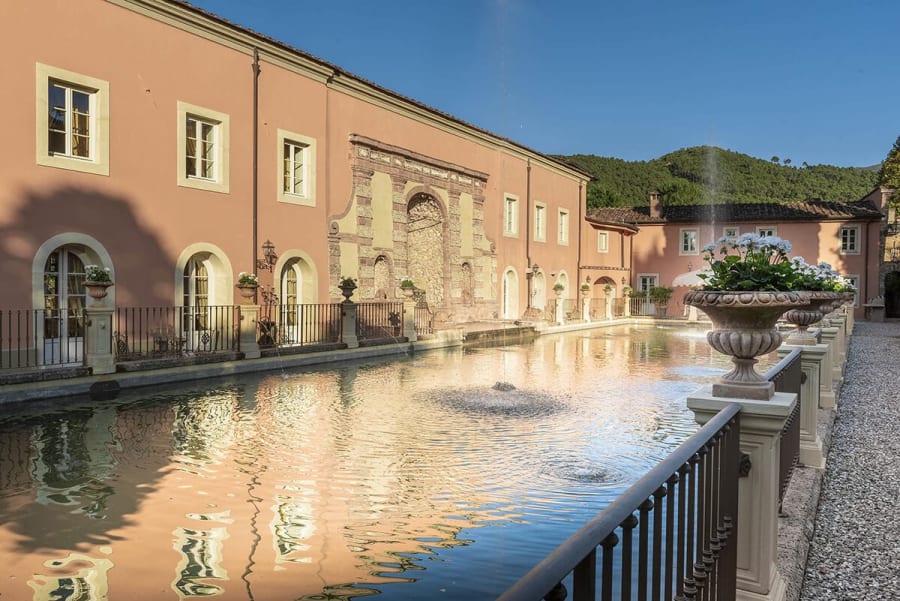
Lucca & Garfagnana · Sleeps 24 · 12 bedrooms
From €3,300 / night
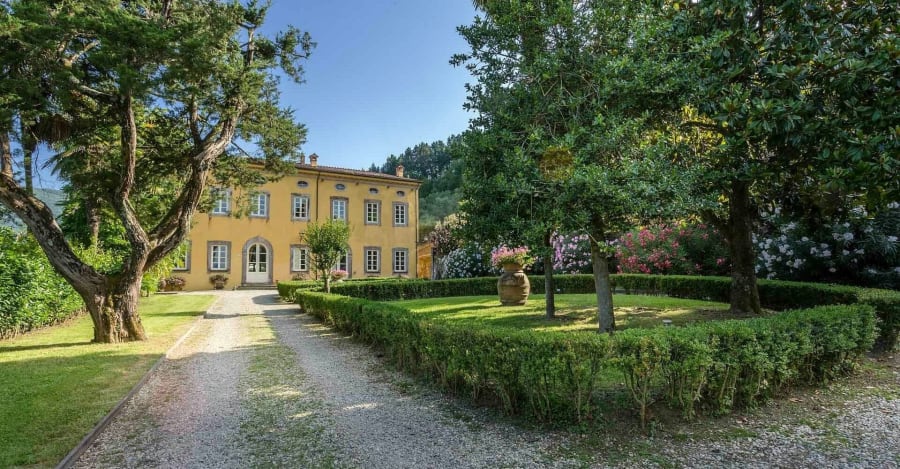
Lucca & Garfagnana · Sleeps 24 · 12 bedrooms
From €3,150 / night
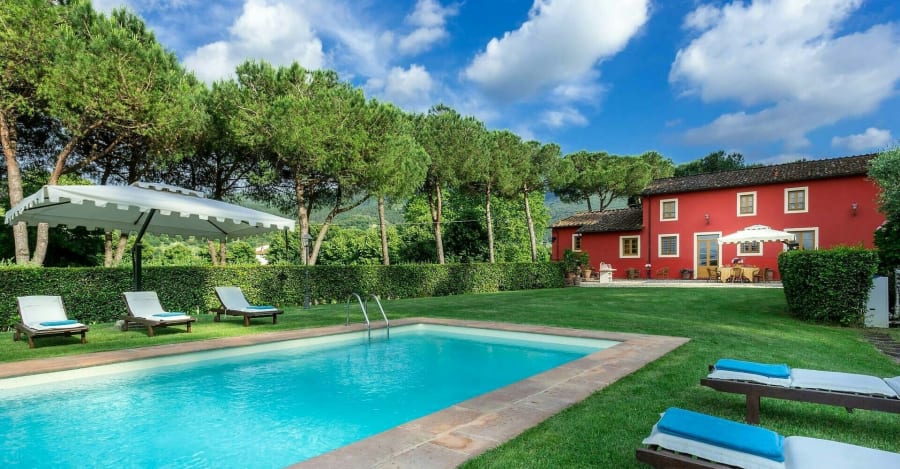
Lucca & Garfagnana · Sleeps 8 · 4 bedrooms
From €1,050 / night
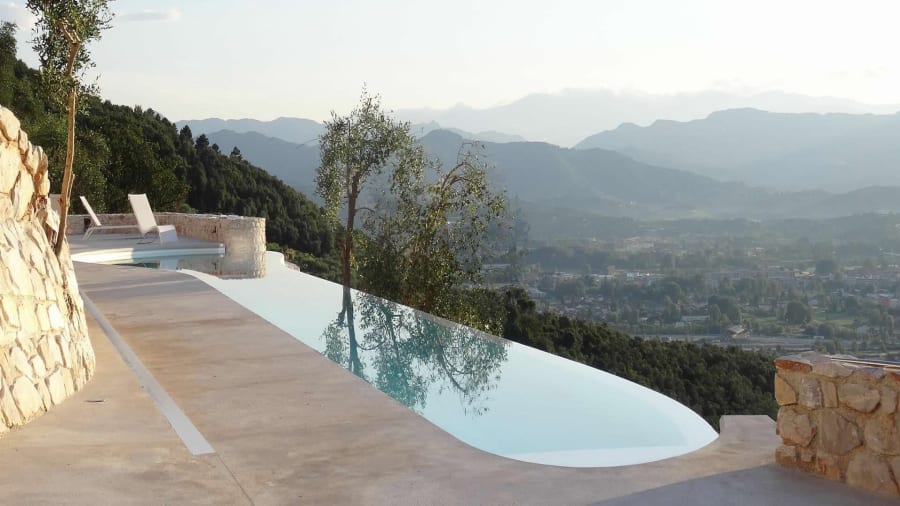
Lucca & Garfagnana · Sleeps 14 · 6 bedrooms
From €2,700 / night
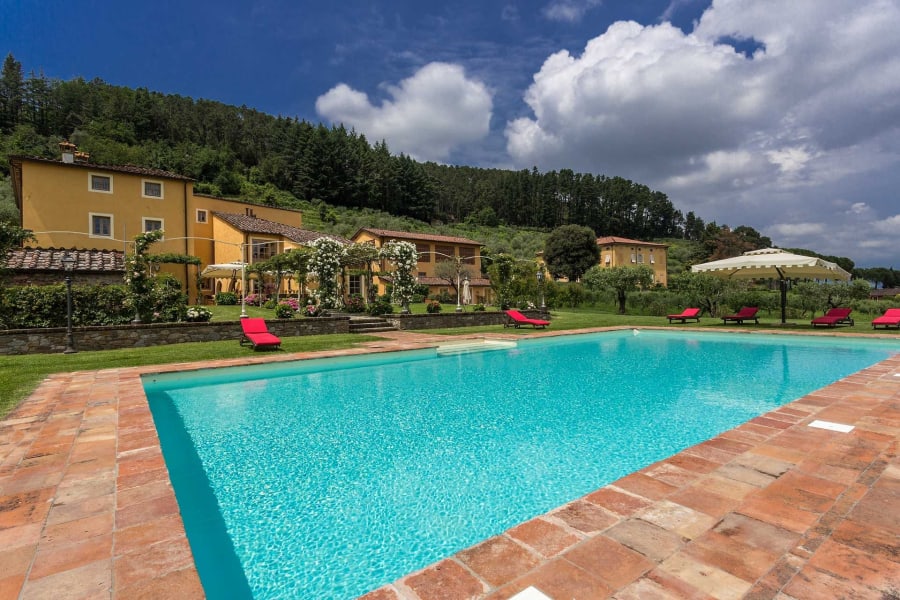
Lucca & Garfagnana · Sleeps 15 · 8 bedrooms
From €2,150 / night
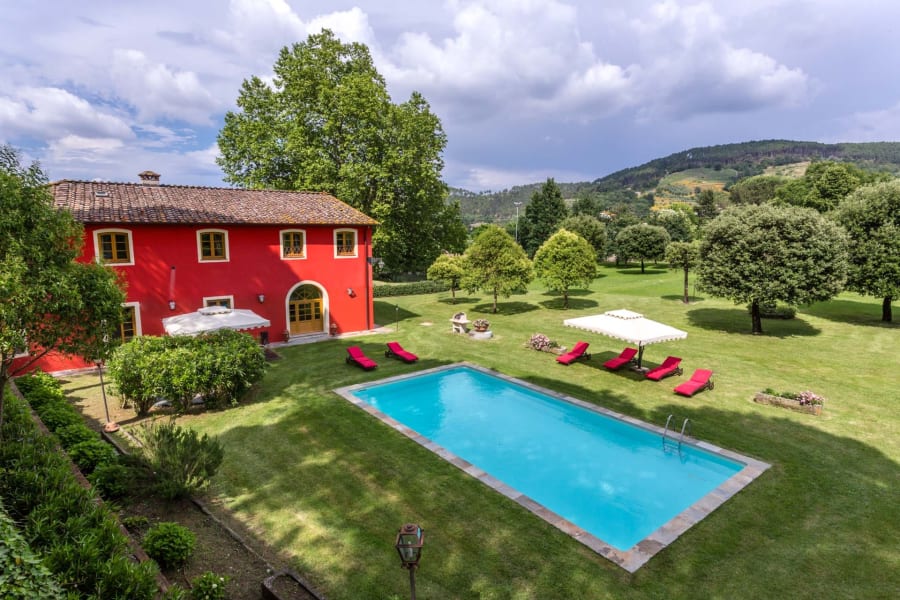
Lucca & Garfagnana · Sleeps 14 · 7 bedrooms
From €1,700 / night
On Lucca & Garfagnana
The Lucca and Garfagnana sub-region is northwest Tuscany, the walled Renaissance city of Lucca itself at the foot of the Apuan Alps, and the deep-forested Serchio river valley climbing north into mountain country toward Emilia-Romagna. It is the coolest part of Tuscany in summer, the wettest part in winter and the most consistently green year-round. We send people here when July and August inland are too much.
Lucca is the small Italian city that puts most others to shame. Four kilometres of intact Renaissance walls form a public park at rooftop level, you walk or cycle the whole circuit in an hour and the streets inside are dense with palaces, churches and the kind of slow restaurant culture the rest of Tuscany sometimes pretends to. The Puccini opera festival in nearby Torre del Lago runs summer evenings on the lake, the Piazza dell'Anfiteatro is built into a Roman amphitheatre's foundation, and the Lucca Comics & Games festival in late October genuinely fills the city.
Lucca and the Garfagnana are the answer when July and August inland are simply too much. This is the coolest, greenest, wettest corner of Tuscany: Lucca itself is rarely above 30 degrees, and the Garfagnana valleys run eight to ten degrees cooler than the Tuscan plain. Guests who have done Chianti and the Val d'Orcia in the heat and want the next visit in comfort come here, and pair it with the Versilia coast twenty minutes away.
North of Lucca, the Garfagnana climbs through chestnut forest and small villages along the Serchio. Barga is the Scottish-Italian town, a cathedral above and a working glacial stream below; Castelnuovo is the valley's centre, with a Friday market that brings the high villages down; Bagni di Lucca is the nineteenth-century spa town of British-Italian villas. The Apennine ridge marks the border with Emilia-Romagna, and the high lakes here are for walking rather than driving.
The table shifts northward too: more chestnut, in flour, in cake, in the local crepe called necci; more game; the strong sheep's-milk pecorino of the Garfagnana; and the white spelt, farro della Garfagnana, protected by IGP. The wine is local rather than international, with the small Colline Lucchesi DOC worth seeking out at the producer level. It is a quieter, earthier Tuscan kitchen than the one further south.
When to come
April through October. July and August are markedly cooler than inland Chianti. Lucca itself is rarely above 30°C and the Garfagnana valleys are eight to ten degrees cooler than the Tuscan plain. The shoulder seasons are wet but green.
Towns worth knowing
Best for
Practicalities
Pisa Galileo Galilei (PSA) is the natural airport. Lucca is thirty minutes north of Pisa by car or train. Florence is ninety minutes east; Genoa two hours north.
Frequently asked
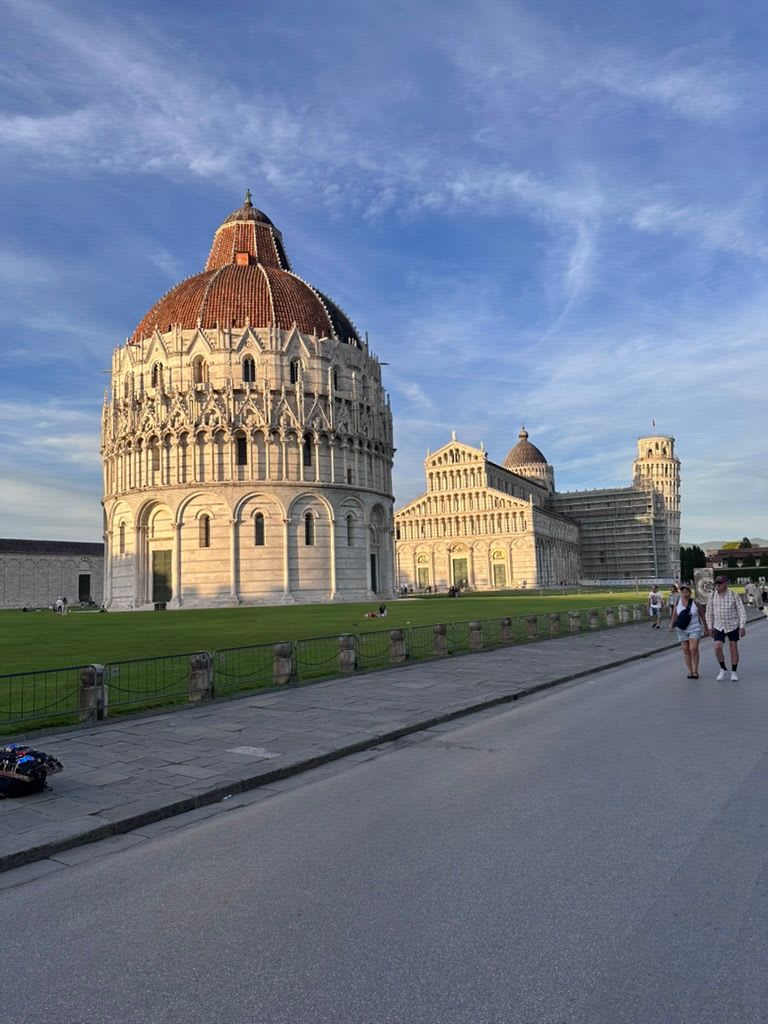
Lucca & Garfagnana
Pisa is most guests' first hour in Tuscany and almost nobody's destination. How to use the city properly: the Field of Miracles early, lunch by the river, and the villa by mid-afternoon.
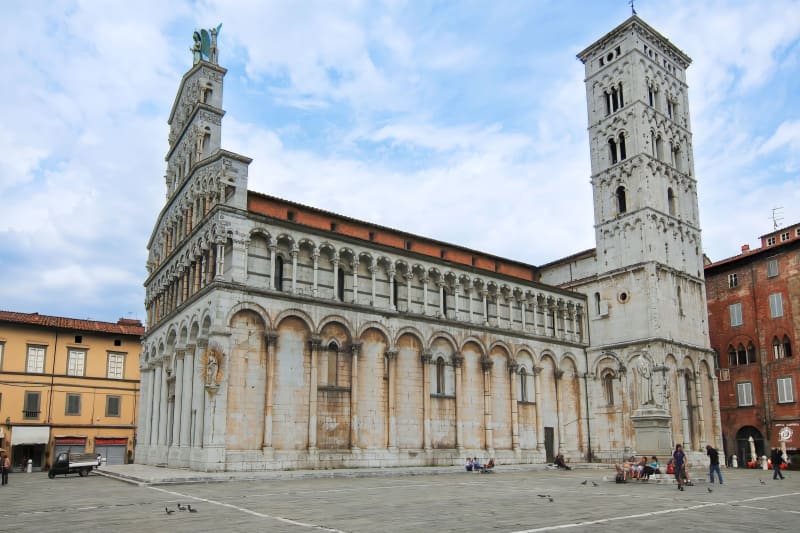
Lucca & Garfagnana
Lucca, the only Italian Renaissance city you can walk around on its own walls. The Puccini birthplace, the rooftop terraces, the *vie* on a Saturday morning, and how to use the city as part of a Tuscan week.

Lucca & Garfagnana
What a borgo is, what it isn't, and why a properly restored one is among the rarer things you can rent in Tuscany.
Elsewhere in Tuscany
Planning the week