Tuscany Olive Harvest 2026: When It Happens & Where to Taste Olio Nuovo
Tuscany's olive harvest runs from late October through November. When to come for olio nuovo, how to visit a working mill, and the best villa bases.
From the founders7 min read
Tuscany's olive harvest runs from late October through November. When to come for olio nuovo, how to visit a working mill, and the best villa bases.
From the founders7 min read

Tuscany's olive harvest usually runs from late October through November, with some producers still picking into December, and the best time to come is the first three weeks of November. Mills run late into the evening, and the new oil, olio nuovo, reaches restaurants and farm shops from early November. Exact picking dates are set by each producer, so book a mill visit or tasting with a named producer before building the week around it.
The pleasure is in following the oil from tree to table. Nets are spread beneath the olives, crates arrive at the mill, and within hours the newly pressed oil is on toasted bread, tasting vividly of grass and green tomato leaf. You can enjoy that story through a tasting, a working mill visit or an organised picking morning. They are different outings, and it helps to know which you are booking.
Most Tuscan producers pick from the last week of October to the end of November. The timing depends on the olive variety, the elevation, the weather and the style of oil: picking early, when the fruit is still mostly green, gives less oil with a sharper, more peppery taste; picking later gives more oil with a softer one. Visit Siena describes November as the traditional harvest month in the Siena area.
A wet spell can pause picking for a day or two, because wet olives and muddy nets don't mix. If your dates are fixed, the second week of November is the safest choice.
For the rest of the week, our guides to Tuscany in October and Tuscany in November cover the weather (November highs around 14°C, lows around 7°C), crowds and what else is on.
For most visitors a working mill visit is the highlight; a tasting is the easiest to fit in; picking is the most hands-on but depends on the producer.
A working mill visit shows you how olives become oil. The best time is late afternoon, when the day's crates are arriving and the machinery runs at full pace. Most visits end with a tasting straight from the separator.
A tasting works at any time of year and fits around other plans. Ask whether it is a guided comparison with the producer, with food, or a few samples in a shop.
An organised picking morning gets you into the grove alongside the team, often with lunch afterwards. Some producers offer it; others welcome visitors to watch but not join. Ask about terrain, timing and wet-weather plans.
For a mixed-age party, a short mill visit and tasting followed by lunch usually works better as a shared outing than several hours on a hillside; keen pickers can go separately.
*A frantoio is an olive mill, and during the harvest it turns the morning's olives into oil within a couple of hours. Olives arrive in crates, usually picked that day or the day before, because quality falls once fruit is off the tree. They are cleaned of leaves and washed, crushed with their stones into a paste, slowly kneaded (the gramolatura*), and spun in a centrifuge that separates the oil from water and pulp. The oil that comes out is cloudy and bright green.
Each mill does it slightly differently, so ask your host how quickly they press after picking, which varieties they use and why they chose their harvest date. Book ahead: harvest is the mill's busiest time and visits fit around production. Keep children close around the machinery.
Olio nuovo, "new oil", is the first oil of the season, pressed within days of picking and often sold unfiltered at first: bright green, grassy and peppery, and at its most vivid in the first weeks after pressing. It describes freshness, not a quality grade. By spring the same oil has softened into ordinary good oil.
The Tuscan way to taste it is fettunta: toast thick slices of unsalted Tuscan bread, rub them with raw garlic while hot, pour the oil over generously and add a pinch of salt. Warm cannellini beans with a pool of new oil on top are the other classic. Try the oil first as the producer suggests, then with food; colour alone tells you little. Our guide to Tuscan foods has more to order during the week, and a private chef can build an autumn dinner at the villa around the new oil.
Buy oil you have tasted, from a producer you can name, with the harvest year on the label. Ask how to store it (cool and dark), and choose an amount you will use within a few months. If you are flying, check your airline's liquid rules and your destination's food-import rules; many producers will pack bottles for travel or ship them.
*Late October and November bring a run of feste dell'olio nuovo, with new oil, fettunta grilled over open fires, chestnuts and local wine.* The Sagra dell'Olio Nuovo at La Serra, near San Miniato, is listed for 23–25 October 2026. Pergine Valdarno and the Maremma village of Pereta hold their own festivals each autumn; smaller festivals set their dates late and announce them locally, so check the week before.
The hills around Lucca have some of Tuscany's oldest olive culture, and several of our villas sit inside it. The terraces on Monte Pisano and the hills north of the city have been worked for centuries, and the local oil has its own protected designation, Lucca DOP, generally rounder and gentler than the peppery oils of the Florentine hills and Chianti.
These are villas in the olive landscape, not working mills you can visit on site; we arrange mill visits nearby once the season's dates are known. Lucca's walls are an easy evening walk, and the Lucca and Garfagnana guide covers the wider area. Compare more villas near Lucca.
Chianti combines the olive harvest with wine, and Florence is within an hour. Choose one producer near your villa rather than crossing the region for several. Our Chianti guide explains the area, and villas near Florence suit a week split between the harvest and the city. A cooking class gives the new oil a practical role in the week.
For a wilder version of the harvest, go south. Around Magliano in Toscana and Scansano, olive groves share the hills with the Morellino vineyards; on the slopes of Monte Amiata, old Olivastra Seggianese trees produce Seggiano DOP oil. A November morning in the thermal pools at Saturnia followed by new oil at lunch is late-autumn Tuscany at its best. See the Maremma guide and villas near Siena, and use the where-to-stay comparison to weigh the bases.
Day one: settle in and taste. Keep arrival day simple, with fettunta and new oil at dinner.
Day two: the mill. Book the mill visit for late afternoon, when the pressing is in full swing, with lunch nearby and a grove walk in the morning if the producer offers one.
Day three: your area. Lucca, a Chianti village or Siena, depending on your base. If it rains, a museum or a cooking class at the villa.
November villas should be comfortable when everyone is indoors: check heating, indoor dining space and somewhere to dry wet coats. For a bigger party, the large-villa comparison helps you judge layout as well as bedroom count.
Yes, by coming twice: the grape harvest in Chianti runs from mid-September into early October, and the olive harvest follows from late October. Occasionally the two overlap at the end of October, but don't plan a single week around seeing both at one estate. Our grape harvest guide covers the vendemmia.
Tell us your dates, the size of your party and whether you want to pick, see a working mill or taste the new oil. We will suggest the villa and arrange the mill visit once the season's dates are known.
Usually from the last week of October to the end of November, sometimes into December at higher elevations. The first three weeks of November are the busiest. Exact dates depend on each producer and the weather.
The first oil of the season, pressed within days of picking and often sold unfiltered at first. It is bright green, grassy and peppery, and tastes most vivid in the first few weeks after pressing.
Yes. Many small mills welcome visitors during the harvest, best in the late afternoon when the day's olives are being pressed. Book ahead; we arrange visits near your villa once your dates are set.
Sometimes. Some producers run organised picking mornings; others welcome visitors to watch and taste. Ask about terrain, timing and what happens if it rains.
The hills around Lucca, for historic olive terraces, a city nearby and an easy drive to San Miniato's truffle weekends. Chianti suits a week combining oil, wine and Florence; the Maremma and Monte Amiata are the wilder alternative.
From the collection

14 guests · 7 bedrooms
From €15,000 / week

24 guests · 12 bedrooms
From €23,200 / week

24 guests · 12 bedrooms
From €22,000 / week
Continue reading
Lucca & Garfagnana
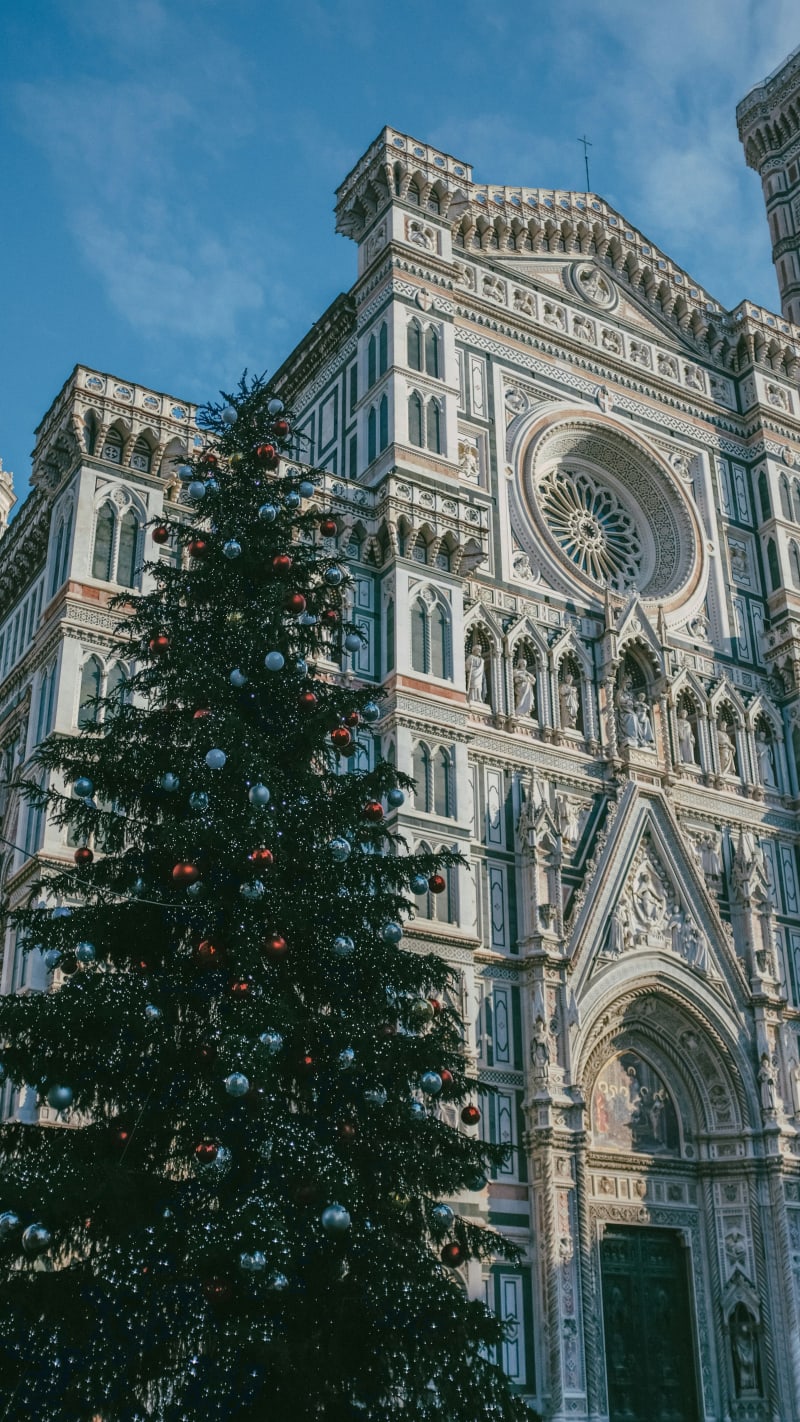
8 October 2026Christmas in Tuscany 2026: Arezzo's market runs 14 Nov to 27 Dec, Montepulciano's to 6 Jan. Festive food, traditions and how to plan a villa Christmas.
Lucca & Garfagnana
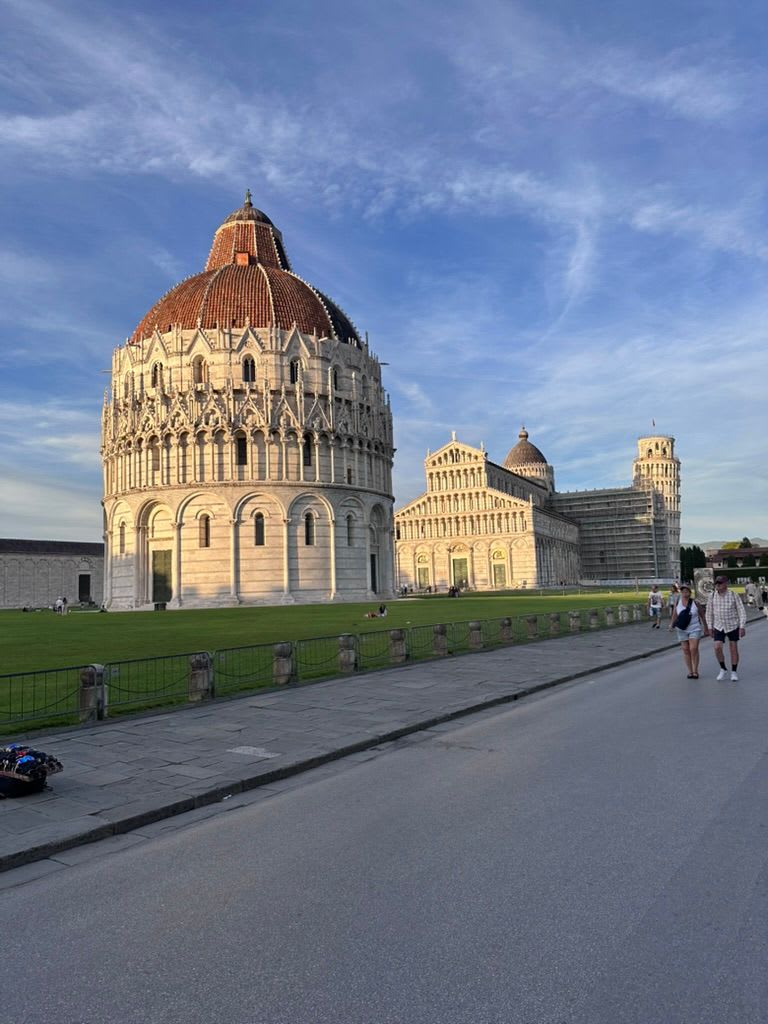
29 July 2026Pisa is most guests' first hour in Tuscany and almost nobody's destination. How to use the city properly: the Field of Miracles early, lunch by the river, and the villa by mid-afternoon.